Things to check before booking a desert quad ride in Dubai
A desert quad ride can be the highlight of a Dubai trip, but the details matter before you commit. The desert is beautiful and forgiving in photos, yet it is still a place of loose sand, changing light, heat and uneven ground. A little preparation helps you choose an experience that matches your confidence, your group and your schedule.
Start with the basics: what the ride includes, where the riding takes place and how much time is spent on the bike rather than in transit. A short desert transfer can be part of the fun, but it changes the shape of the day. If the trip is sold around a quad bike tour dubai, ask for the full route in plain terms, including whether the riding is on open desert, marked trails or a mix of both.
Confirm the riding level before you reserve
Quad riding is not one single experience. Some rides are gentle and paced for first timers. Others involve faster sections, steeper dunes and longer stretches over desert terrain. The right choice depends on how comfortable you are with controlling a vehicle on sand and how much guidance you want along the way.
Ask whether the route has beginner, intermediate and advanced sections. If one person in the group is nervous, a ride built around speed may feel stressful rather than enjoyable. A good fit is one where the pace allows everyone to settle in, with clear pauses for questions and regrouping.
It is also worth checking whether the tour uses a lead vehicle or a tour guide who stays with the group. That matters on open sand, where it is easy to lose direction and where the surface can change from firm to soft within a short distance. Clear leadership helps riders understand when to slow down, when to keep a safe gap and when to stop.
Check the safety setup and what is provided
Safety should be discussed before the day, not only at the start of the ride. Ask what protective items are supplied and what riders should bring. A safety helmet is a basic expectation for quad riding, and it should fit properly rather than sit loosely or feel oversized.
Other practical items can include eye protection, gloves and closed footwear. Sand can get into everything, and hands take a lot of the strain from steering and braking. Long trousers are usually more comfortable than shorts because they reduce contact with hot surfaces and brush from desert plants.
Check how the safety briefing is handled. A clear briefing should cover hand signals, stopping distance, what to do if the bike begins to sink into soft sand and how riders should behave when the group slows or turns. If the briefing is rushed or treated as a formality, that is a sign to look more closely at how the ride is run.
Riders should also understand the basic controls before setting off. You do not need expert mechanical knowledge, but you should know where the throttle, brakes and engine cut-off are, and what the bike feels like when it is idling. If anything seems unfamiliar, say so before the group moves away.
Look closely at the bike and its condition
The quad bike engine and the overall condition of the machine affect both comfort and control. A well-kept bike is usually easier to handle because the throttle response, braking and steering feel predictable. A tired or poorly maintained bike can make even a gentle route feel awkward.
Before booking, ask what routine checks are carried out between rides and whether bikes are matched to rider size. A vehicle that is too powerful or too heavy for a new rider can be difficult to manage, especially when climbing or turning on sand. Confident riders may want more response, while beginners often benefit from a calmer machine.
On the day, take a moment to look around the bike before mounting it. Check that the tyres look sound, the handlebars feel secure and the brakes respond when tested at low speed in a safe area. If a rider notices a strange noise, weak braking or unstable steering, it should be reported at once and the bike should be changed. Mechanical problems are not something to ignore or work around.
Questions about repairs should be left to qualified professionals. Riders do not need to open panels, adjust mechanical parts or interfere with safety equipment. The practical job is to notice obvious problems and ask for help before riding.
Understand the route, pace and group size
One of the biggest differences between desert rides is the amount of time spent moving together. A smaller group often makes it easier to receive guidance and keep a steady spacing. A larger group can still work well, but it needs strong organisation and clear signals.
Ask how long the actual riding lasts and whether there are stops built into the trip. Stops are useful for photos, water and regrouping, but too many short stops can break the flow. A balanced ride gives people time to enjoy the landscape without leaving riders waiting in the heat.
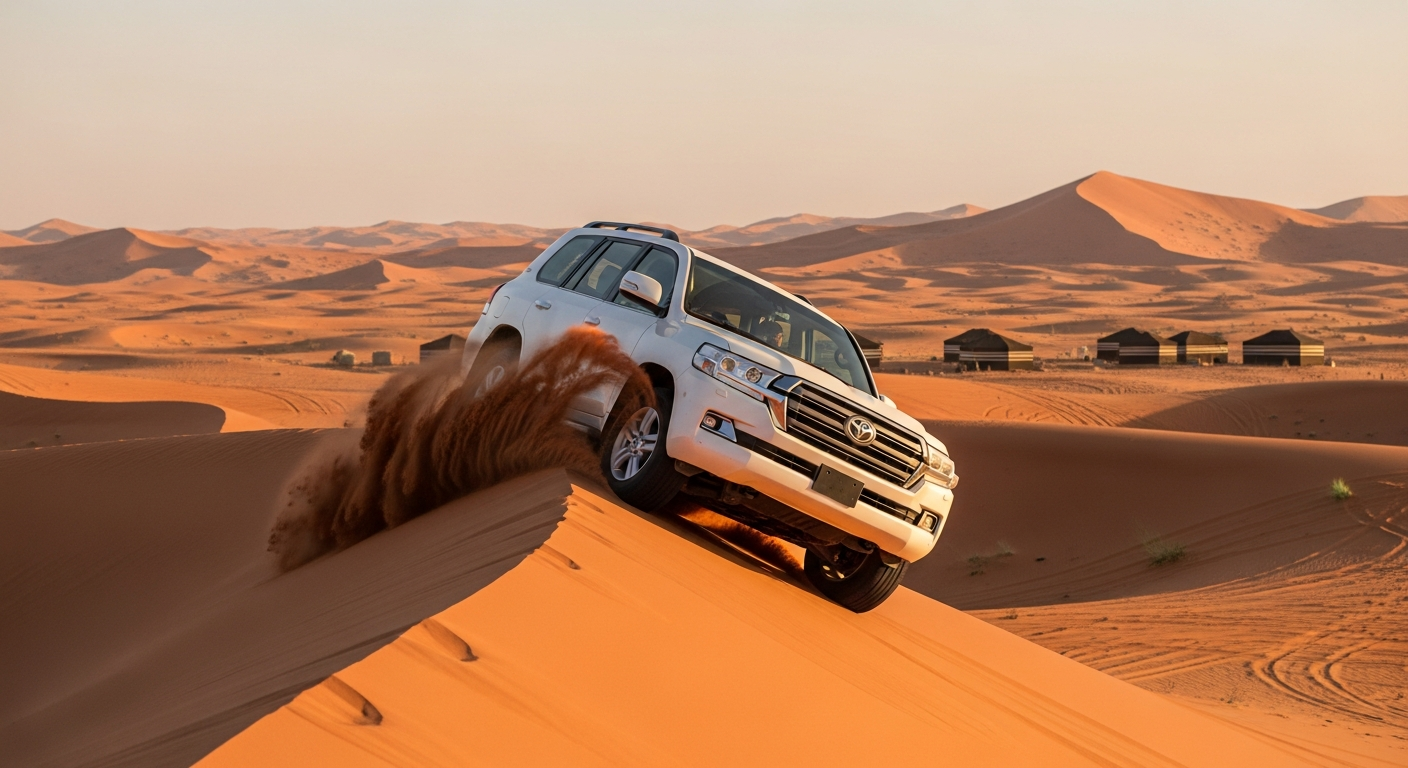
Also check how dune bashing fits into the day. Some visitors want both quad riding and a vehicle ride over dunes. Others prefer to keep the experience focused on the bike. These are different experiences, and combining them can change the level of dust, motion and fatigue.
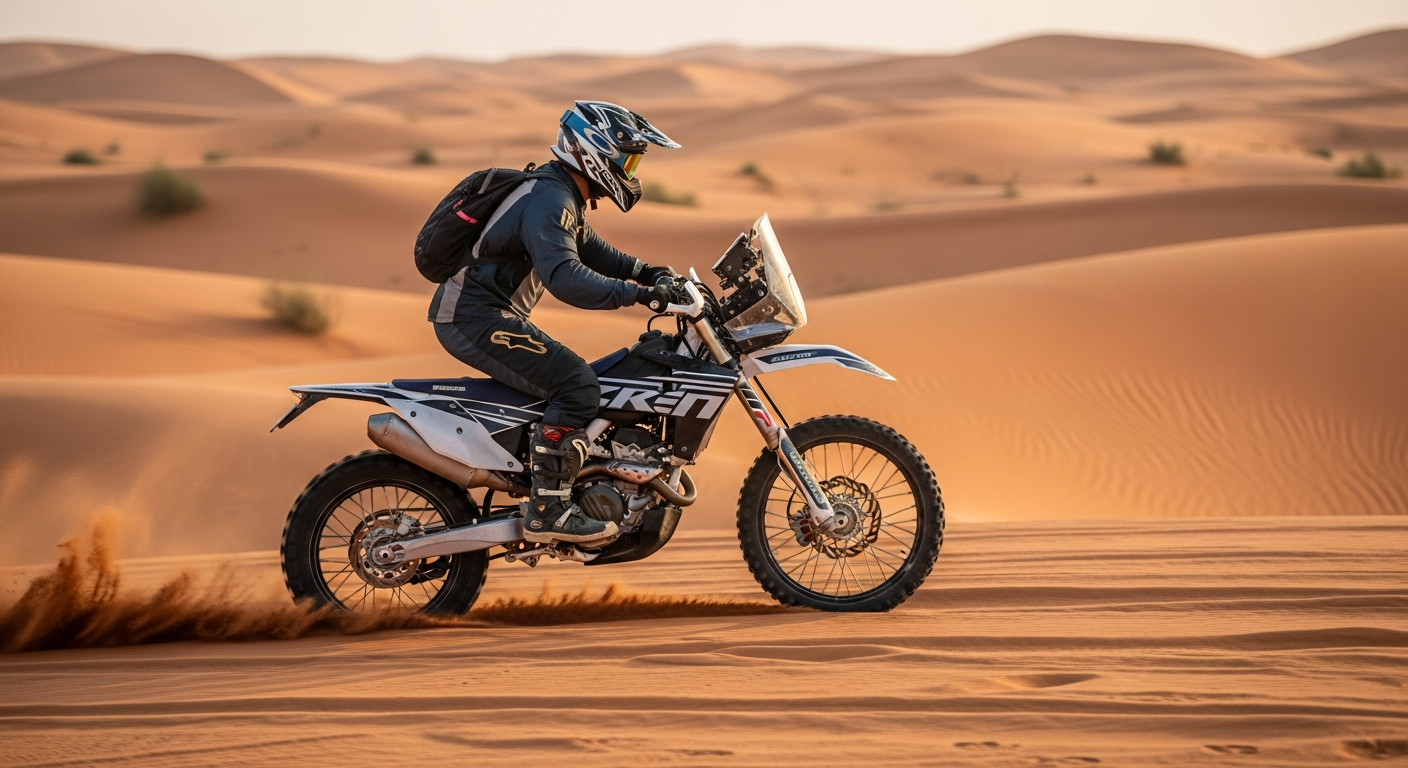
The best route is not always the longest one. A shorter ride with good supervision, clear pacing and room to learn can be more satisfying than a packed itinerary that leaves little time to absorb the surroundings.
Ask about timing, heat and desert conditions
Dubai weather shapes the experience. Sand feels very different in the heat of the day compared with the cooler light closer to sunset. Morning rides can feel fresher, while later rides may bring softer sand and longer shadows. Neither is automatically better, but each calls for different preparation.
Check the start time and how long the whole outing lasts, including transfers and breaks. Bring water if it is not clearly provided, and use sun protection that stays secure under a helmet. Sunglasses can help with glare, but they should fit well enough that they do not shift during riding.
Desert wildlife may be seen in some areas, especially around scrub and tracks. Riders should respect any instructions about avoiding plants or sensitive ground. The aim is to enjoy the desert without treating it as an empty playground.
Sand driving techniques also matter. Riders should keep a steady line, avoid sudden steering on soft ground and follow the lead rather than trying to copy dramatic moves seen online. If the surface looks uncertain, slowing down and asking is better than guessing.
Read the booking terms in plain language
Before paying, check the details that affect your plans. Confirm the meeting point, what happens if you arrive late, what is included and what riders need to bring. Clear terms are easier to follow when plans change or when a group has mixed abilities.
Questions about age limits, passenger rules and experience requirements should be answered directly. Quad bikes are not all the same, and a rule that sounds minor can affect whether everyone can take part. If a person has a medical concern or limited mobility, raise it before the booking is confirmed rather than on the day.
It is sensible to compare a few options and note how clearly each one explains the ride. A provider that answers practical questions with specific detail is easier to assess than one that relies only on bold promises. For general background on desert riding in Dubai, alqudratours.com can be kept in mind while you compare what each outing offers.
Once the main points are clear, keep the final decision simple. Choose the ride that fits the least confident rider, offers clear safety communication and gives you a realistic view of the day. That approach usually leads to a better experience than chasing the most dramatic description.
Prepare for the day itself
Wear clothes you do not mind getting dusty, and avoid loose scarves or dangling accessories that could catch on the bike. Secure long hair, carry only what you need and keep phones or cameras in a closed pocket or secure case. Sand and small particles can be rough on lenses and screens.
Eat lightly before riding, especially if the route includes dunes or warm conditions. Hydration matters even when the air feels dry and the ride seems short. If anyone in the group feels unwell, tired or unsure, they should speak up before departure.
Listen carefully during the safety briefing and keep the group close without riding too near each other. Give plenty of space when turning or stopping, and never race another rider on sand. Control is more useful than speed on uneven ground.
A quad bike tour dubai works best when expectations match reality. Check the riding level, protective equipment, bike condition, route, timing and booking terms, then choose the option that feels clear and manageable. When those pieces are in place, the desert becomes the part of the day you remember, not the logistics behind it.
For a final read before you confirm, revisit the practical details and make sure every rider understands them in the same way. alqudratours.com is one name to keep in view while you make that comparison, but the decision should rest on fit, safety clarity and the kind of day you want in the desert.